
If you are interested in buying a Tata hybrid car in 2026, then let us know what it will have to offer to the Indian market. One of the most asked queries by car lovers these days. However, with fuel costs as a worry and electric vehicle sales rising, there is a middle ground that many are interested in. Hybrid vehicles provide that balance. They incorporate petrol power with electric assistance to boost fuel efficiency and lower emissions. The Indian hybrid vehicle market is poised for take-off, and Tata Motors is likely to play a pivotal role in the evolving scenario of the market. So, let’s delve into what the Tata hybrid cars are likely to represent for the Indian customer in the coming years.
What Can Buyers Expect From a Tata Hybrid Car in 2026?
The Indian automobile industry is moving towards a new phase. Although Electric Vehicles (EVs) are gaining recognition, hybrid technology is emerging as an appealing option for numerous families.
Hybrid cars are more fuel-efficient than petrol cars. Meanwhile, they don’t need charging stations such as those found with fully electric cars. This allows them to be used by those living in an apartment, travelers who spend long hours on the road, and drivers who wish to reduce their fuel use without changing their driving habits.
Based on industry reports, there are a number of automakers developing new hybrid and plug-in hybrid models for the next 12 months. This rising trend may prove to be among the most pivotal for hybrid cars in India in 2026.
Lessons From Tata’s Electric Vehicle Journey
Tata Motors has yet to officially announce any specs for a hybrid passenger car launch in 2026. Still, recent trends indicate that hybrid technology may be a pivotal consideration in the company’s future product strategy.
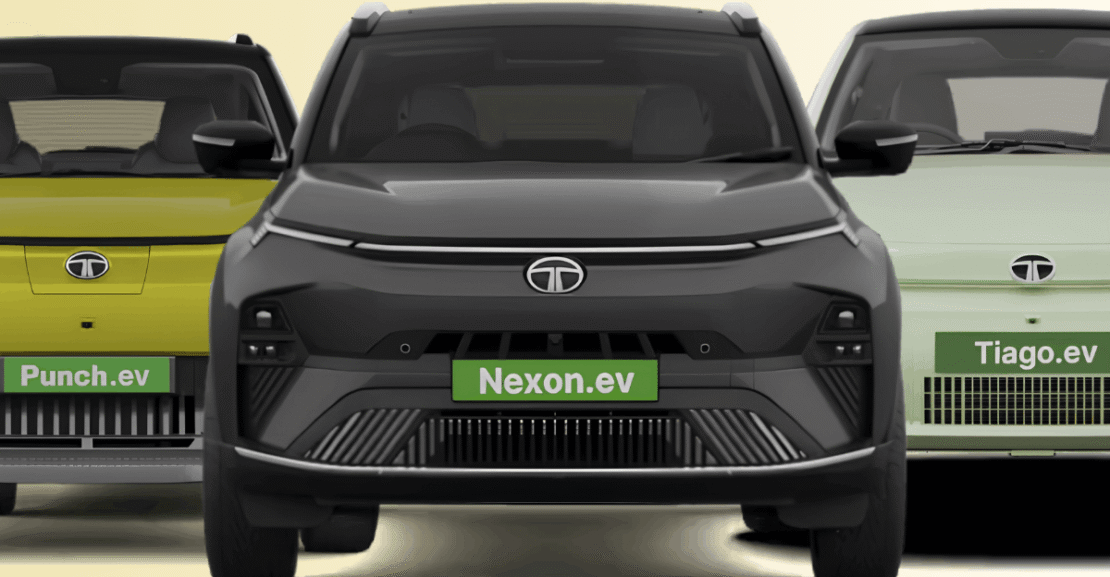
- Tata already has the experience of its electric vehicle lineup, such as the Tata Punch.ev, Tata Nexon.ev, Tata Tiago.ev, and Tata Curvv.ev. The experience provides good momentum for the company in the future with regard to electrified technologies.
- A Tata hybrid car could have a petrol engine and an electric motor. Such a system would reduce fuel consumption and be practical as an existing refueling system.
- Tata Motors has become one of the prominent electric vehicle companies in India. The company has been working on solutions that are easy to use and affordable for more customers to choose cleaner mobility options.
- An example of this is the Punch.ev Battery-as-a-Service model. This financing option allows you to pay for the battery separately from the car. This means buyers have the ability to lower financial obligations each month with flexible loan structures.
- This customer-centric approach is working well and demonstrates Tata’s determination to deliver cutting-edge technology at affordable prices. There is a possibility for future hybrid vehicle offerings to be affected by similar thinking.
Why Hybrid Technology Makes Sense for Indian Families
There are some points that Indian families take into consideration before buying a vehicle. Fuel economy, reliability, safety, comfort, and maintenance costs are all key factors.
Hybrid cars respond to numerous of these considerations. The electric motor will assist the petrol engine in urban driving to lower fuel consumption. This can reduce the running cost in the long term.
Also, with hybrid systems, there is no need to worry about charging stations. Drivers can continue using fuel stations while gaining the benefits of improved efficiency.
The balance is appealing to families that aren’t quite ready to go all electric.
Safety and Practicality Expectations
What they can expect if Tata takes the plunge into hybrids in 2026 is that they will find the same high level of safety that has been evident in the company’s recent products.
Tata Punch has been awarded a 5-star Global NCAP safety rating and has gained popularity among families due to its high safety standards.
Some features that have gained customers’ trust include airbags, ABS with EBD, stability control, and child-seat mounting points.
Future hybrid models might carry on with this emphasis on safety and incorporate contemporary driver assistance and connectivity capabilities.
Potential Features in Tata Hybrid Cars
Today’s hybrid cars may feature elaborate technology that optimizes the efficiency and comfort of driving.
- Some automatic energy management systems that alternate between petrol and electric modes for driving could even be built into a future Tata hybrid.
- Other features buyers might be looking for include touchscreen infotainment systems, smartphone integration, digital displays, auto climate control, and advanced safety features.
- The company has proven itself to be able to offer both function and affordability in its current lineup.
Competition in the Hybrid Market
The hybrid segment is gaining more competition. The two dominant players of the strong hybrid market in India currently are Toyota and Maruti Suzuki, with their popular hybrid models.
- Another hybrid option offered by Honda is the City e. Meanwhile, several global manufacturers are reportedly readying new hybrids.
- This competition is good for the customer in the sense that it can spur innovation and offer choices at various price points.
- For the consumers, it may be another trusted brand with a solid after-sales service network if Tata goes on a rampage in the hybrid segment.
How Hybrid Cars Support India’s Future Mobility Goals?
India is still working on emission cuts and fuel efficiency. Hybrid vehicles can help achieve these goals and support consumers’ efforts to move toward cleaner transportation.
- Hybrids are a sensible choice for those who want to avoid the expense and maintenance of a full electric car but want to go further than a conventional petrol car.
- They enable the use of electric mobility without major changes in driving habits.
- With the rapid advancement of technology and the growing competitiveness of the vehicle market, hybrid cars could be a bigger part of the Indian car market in the future.
Should You Wait for a Tata Hybrid Car in 2026?
The solution will depend on your requirements. One potential option for better fuel economy, but not the all-electric car, is the new Tata hybrid model.
Tata Motors has been showing its commitment to innovation in the field of electric vehicles, which is evident from its expanding range of products. For those who are interested in purchasing a hybrid passenger vehicle, they can anticipate seeing a focus on functionality, safety, cost-effectiveness, and technology.
The entry of additional manufacturers into the hybrid market will benefit consumers of hybrid cars with choices and competition.
Conclusion
India’s hybrid car market is poised to see substantial expansion, and 2026 may be a critical year for new hybrid vehicle launches. Innovation, safety, and providing customers with mobility solutions are aspects where Tata Motors is already recognized for its excellence. The Tata hybrid car of the future might provide an attractive combination of efficiency, convenience, and practicality for Indian families. If you are interested in getting more information and guidance about the upcoming Tata vehicles, then you can contact JP Motors for trusted guidance and information.